
Most water heaters do not simply wear out; they rust out or scale up, and both problems can be held off for years. As water heats, dissolved minerals come out of the water and settle into a layer of sediment on the tank floor. On a gas unit, that layer sits between the flame and the water, so the steel runs hotter and the tank starts to rumble and pop. On an electric unit, it builds up around the lower element until the element burns out. Meanwhile the anode rod, a metal rod designed to corrode so the tank does not, is slowly used up. Once it is gone, the tank itself becomes the target. In Fort Collins, CO, we see this pattern constantly, and most of it was preventable.
Here is what the visit covers. We flush the tank until the water runs clean. We pull the anode rod to see how much protection remains and replace it when needed. We lift the T&P valve lever to confirm it opens, then watch it reseat without dripping. For gas equipment, we inspect the burner and flame, pilot or ignition parts, thermocouple or flame sensor, and the vent and draft. For electric equipment, we meter the elements and check the thermostats and wiring. Then we check the expansion tank's pressure, confirm a safe temperature setting near 120 degrees, and look over every fitting for early signs of a leak.
If you have a tankless unit, the routine changes but the goal is the same. Minerals coat the heat exchanger over time, reducing efficiency and eventually causing shutdowns. Our technicians connect a circulation pump to the isolation valves and run a descaling solution through the exchanger, clean the water filter, inspect the venting, and check the condensate drain on condensing models. Every visit ends with a clear report, noting what is healthy and what needs attention. Call (970) 602-6604 to book maintenance for your Fort Collins water heater.
Our two most requested services are Water Heater Repair in Fort Collins and Water Heater Replacement in Fort Collins. Start there if you're not sure what you need.
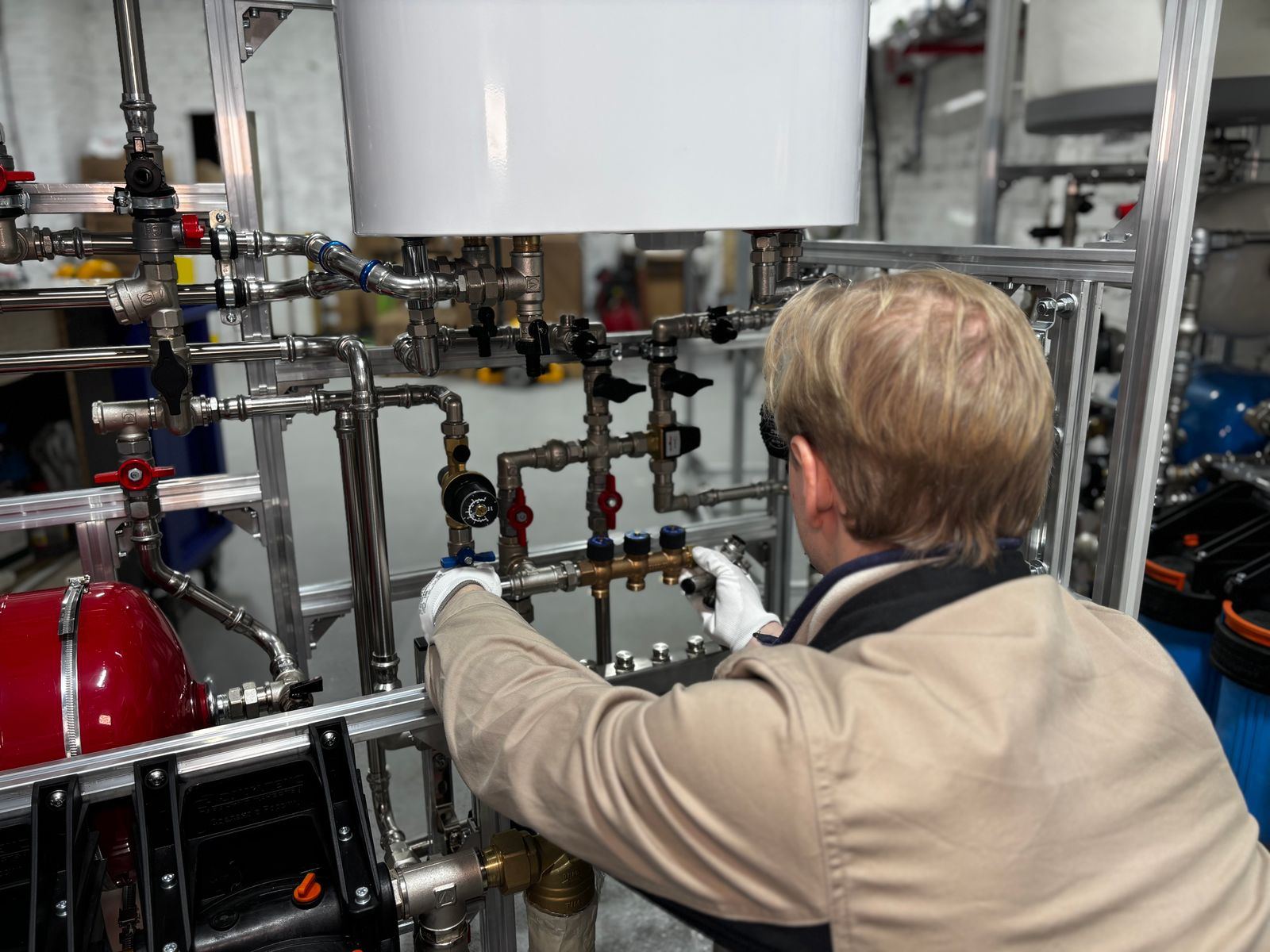
Signs You Need Water Heater Maintenance in Fort Collins
A heater that is starting to struggle rarely hides it for long, and the clues are easy to spot once you know them. Here are the most common indicators that it's time to call a professional:
- Rusty or discolored hot water at the tap
- More than a year since anyone flushed the tank
- Less hot water available than when the tank was new
- Noises from the water heater that were not there before
- A smell like rotten eggs that shows up only on the hot side
- Temperature swings or reduced flow from a tankless heater
- Higher gas or electric costs for the same routine
- Water in the drain pan or on the floor near the heater
Early Action Saves Money
A little rust-colored water or a relief valve that drips now and then can be the first hint of a tank that is close to the end. If you notice any of these signs, contact Fort Collins Water Heater at (970) 602-6604 for a prompt inspection.
Talk to Us About Water Heater Maintenance
Our experienced technicians are standing by to help.
Call (970) 602-6604 NowWhat Homeowners Ask Us Most
Why Professional Water Heater Maintenance Matters
Some upkeep is fair game for homeowners: watching for leaks, keeping the area around the heater clear, and noting new noises. Beyond that, the work gets riskier. Draining a tank means handling scalding water and a drain valve that may not close again if it is old and full of sediment. Pulling an anode rod often takes a breaker bar and real leverage on a fitting that has not moved in years. Testing a T&P valve on an older heater can leave it dripping afterward. On gas units, the burner, thermocouple, and venting involve combustion safety, and a vent that is not drafting can put carbon monoxide into the house.
We come prepared for what an older heater throws at us: replacement drain valves, anode rods sized for your tank, flexible anodes for tight clearances, T&P valves, and meters for testing elements and thermostats. For tankless systems, we bring the pump and descaling setup. Just as important, we know what to look for, from early corrosion at the fittings to a thermocouple starting to weaken, so you can plan a repair before it becomes a failure. The goal is simple: a heater that lasts longer, runs more efficiently, and does not surprise you with a leak.
Our Water Heater Maintenance Process
We work through a clear, repeatable process so you always know what's happening and what it will cost. Here's a look at each step our team takes:
Safety Check First
The visit starts with safety: relief valve testing, a leak check, a look at combustion and venting on gas models, and element testing on electric ones.
Sediment Flush
We drain the tank and flush it until the water runs clear, clearing the sediment that causes rumbling and robs efficiency.
Component Inspection
The anode shows how well the tank is protected, and the expansion tank check confirms thermal expansion is being absorbed.
Final Adjustments
We set the thermostat near 120 degrees for safety and efficiency, refill and test the unit, and give you a clear report of what we found.
Want a Professional Opinion?
We give honest advice and upfront pricing on every job, big or small.
Call (970) 602-6604 TodayTips to Keep Your Water Heater Healthy
Routine maintenance is almost always cheaper and easier than an early replacement. Start with these practical measures our team relies on:
- Schedule a flush every year, or every six months if you have hard water
- Have the anode rod checked every few years and replaced when it is mostly gone
- Look around the base of the heater periodically for moisture
- Descale tankless units once a year, or more often in hard water
- Treat hard water to cut down on sediment and scale
- Keep at least a couple of feet clear around the heater for air and service access
- Keep the thermostat near 120 degrees to limit scalding and slow sediment buildup
Comparing DIY and Professional Work
Some simple checks are fine to do yourself, but most water heater repairs benefit from professional tools, training, and experience. Consider the following comparison:
| Consideration | Doing It Yourself | Hiring a Pro |
|---|---|---|
| Sediment Removal | Sediment clogs the valve midway | Tank cleared until water runs clean |
| Anode Rod | Condition rarely checked | Replacement matched to your tank |
| T&P Testing | Older valve may drip after testing | Valve operation verified |
| Burner and Venting | Carbon monoxide risk if venting is off | Venting and combustion inspected |
| Tankless Descaling | Descaling done incorrectly | Descaled with the proper setup |
| System Pressure | Waterlogged tank missed | Water pressure checked |
Let's Get Your Hot Water Back
The sooner you call, the sooner the hot water is back. Reach Fort Collins Water Heater for fast service.
Get Help: (970) 602-6604Communities We Cover
Our service area reaches well past the city limits. Choose your community for local details.